High blood pressure during pregnancy Preeclampsia
High blood pressure during pregnancy, also called Preeclampsia, Eclampsia is characterized by high blood pressure and an excess of protein in the urine after the 20th week of pregnancy.

Eclampsia most often causes moderately elevated values of blood components, but if untreated, it can lead to many complications, and may even cause death of the mother and fetus.
Types of high blood pressure during pregnancy
Eclampsia is defined as one of the four syndromes that cause high blood pressure during pregnancy. The other three are:
1. High gestational blood pressure
Women who suffer from gestational hypertension have elevated blood pressure values, but they have an excess of protein in the urine.
Some women with gestational high blood pressure may eventually develop eclampsia.
2. Chronic hypertension
Chronically high blood pressure is elevated blood pressure that appears before the 20th week of pregnancy, or may persist for more than 12 weeks after delivery.
In such a case, it is more likely that the high blood pressure was present before the pregnancy began but was not diagnosed.
3. Eclampsia with chronic high blood pressure
This condition describes women who suffer from chronic high blood pressure not related to pregnancy, and during pregnancy blood pressure values rise more and more dangerously, in addition to the presence of an excess of protein in the urine.
Symptoms of high blood pressure during pregnancy
The Symptoms that associated with high blood pressure during pregnancy are:
- High blood pressure.
- Excess protein in the urine (proteinuria) after the 20th week of pregnancy.
- Very severe headache.
- Vision changes including temporary vision loss, blurred vision, or excessive sensitivity to light.
- Abdominal pain is often concentrated in the area below the ribs of the rib cage on the right side.
- Nausea and vomiting.
- Vertigo.
- frequent urination.
- Sudden increase in weight, usually more than one kilogram per week.
- Swelling in the face and hands.
Causes and risk factors for high blood pressure in pregnancy
Eclampsia is described as poisoning, because the belief that prevailed in the past was that this condition is caused by the presence of a toxin, a toxic substance of biological origin (Toxin) in the blood of a pregnant woman. They’re still trying to figure out the cause of pre-eclampsia.
Causes of high blood pressure in pregnancy
Possible causes of high blood pressure for pregnant women include:
- Insufficient blood flow to the uterus.
- Damage to blood vessels.
- Problems with the immune system.
- Improper nutrition.
Risk factors for high blood pressure in pregnancy
Eclampsia appears only during pregnancy, and risk factors for developing it include the following:
- Medical and family history.
- First pregnancy, as the highest risk of preeclampsia is when a woman becomes pregnant for the first time.
- Older age, as the risk of eclampsia increases in women over 35 years old.
- Overweight.
- Multiple pregnancy
- Pregnancy diabetes.
- Chronic diseases, such as: chronic blood pressure, diabetes, kidney disease, and lupus.
Complications of high blood pressure in pregnant women
The majority of women who suffer from eclampsia give birth to completely healthy babies, and the more severe the eclampsia, and the more early it appears in pregnancy, the greater the risk to the mother and the fetus.
Complications associated with high blood pressure during pregnancy:
- Decreased blood flow to the placenta.
- Abruptio placentae, which causes severe bleeding and is dangerous for the mother and fetus.
- Hemolysis syndrome.
- Malignant eclampsia.
Diagnosing high blood pressure during pregnancy
Preeclampsia is diagnosed if a pregnant woman has high blood pressure with proteinuria, which is seen in urine tests.
Eclampsia appears unexpectedly during a routine pregnancy test, such as:
- Blood pressure measurement.
- Regular urine tests.
blood pressure measurements results
Here are the interpretations of blood pressure results:
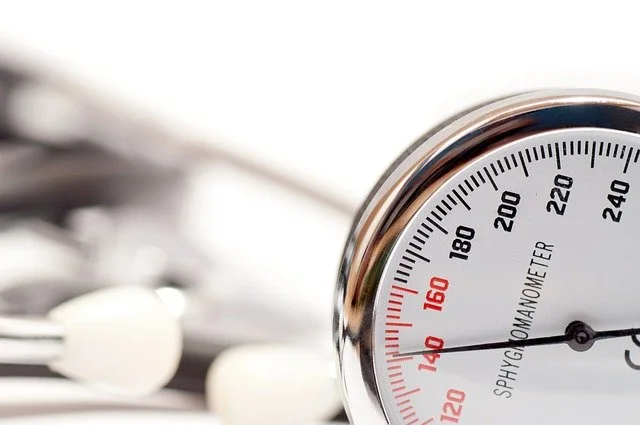
- If your blood pressure during pregnancy is less than 130/85 mmHg, it is considered normal.
- If your blood pressure is higher than 140/90 mmHg, it is considered high.
However, measuring blood pressure that shows high blood pressure once does not mean eclampsia. If blood pressure measurement shows a high value for one time, the attending physician will follow up and monitor blood pressure permanently in the subsequent period.
The doctor may ask the pregnant woman to come to the clinic to measure blood pressure at a higher rate than usual, in addition to continuous monitoring of protein values in the urine.
If the diagnosis of eclampsia is confirmed, then the treating gynecologist will recommend a number of additional tests, such as:
- Examination of the performance of the liver and kidneys.
- Platelet test.
- Ultrasound imaging.
- Fetal pressure check, which is a simple process in which the movements of the fetus are monitored for a specific period of time and the extent of the fetus’s heartbeat rises as a result of its movements.
- Examination of amniotic fluid in the uterus.
Treatment of high blood pressure for pregnant women
Treatment of high blood pressure for pregnant women varies depending on the situation of the pregnant woman.
1. Treatment of high blood pressure in the early stages of pregnancy
If a pregnant woman is in the early stages of pregnancy, childbirth is not the best solution for the fetus, and the woman must adhere to the following:
Commitment to bed for rest: providing sufficient time for the fetus to complete its growth and development.
Drug therapy: to help the pregnant woman and the fetus.
Obstetrics: the best and last resort for eclampsia.
2. Treatment of high blood pressure for pregnant women in the last stages of pregnancy
The treatment of blood pressure for the only pregnant woman is childbirth, especially if the pregnant woman is at risk of seizures, early placental abruption, or severe bleeding to the point of a severe drop in blood pressure.
Prevention of high blood pressure for pregnant women
The exact cause of preeclampsia is still not fully known, and reducing salt intake, or changing the program of activities during pregnancy does not necessarily reduce the risk of developing high blood pressure in a pregnant woman.
The best ways to protect a pregnant woman and her fetus are:
- Ensure that all necessary and required examinations are carried out regularly and in the early stages of pregnancy as possible.
- Cooperate with the doctor to prevent complications and research the optimal steps to be taken to protect the pregnant woman and the fetus, if eclampsia is detected early in pregnancy.
Alternative therapies of pre-eclampsia
There is no evidence to prove the use of any herbal alternative remedies to treat high blood pressure in pregnant women, as herbs may harm the fetus, so you should follow the doctor’s instructions and use only the medicines that have been prescribed.
Translated from: webteb
Hypertension: causes, symptoms and treatment
Anemia: causes, symptoms and treatment

Introduction to coronavirus essay
About The Author
