Cancer: stages, complications, treatment and prevention
What is cancer?
The term (cancer) refers to a group of diseases characterized by abnormal growth and reproduction of cells, which lead to the destruction of other healthy cells in the body. Cancer cells have the ability to multiply and move from one organ to another in the human body.

The difference between a benign tumor and a cancerous tumor:
Benign tumor
- Usually it is a single definite block
- The external shape of the tumor is circular or oval
- There are no side effects for it
- growing slowly
- often surrounded by a membrane outside the tumor
- It has no ability to spread
- Usually, the recurrence of the tumor does not occur after its excision
- Mostly does not cause death
Cancerous tumor
- Usually it is a branched and undefined block
- The external shape is irregular and uneven.
- It is accompanied by side effects
- fast growing
- Not surrounded by a membrane outside the tumor
- It has the ability to spread
- Recurrence of the tumor may occur after its excision.
- Causes death
Symptoms of cancer:
- Feeling very tired
- Weight loss for no apparent reason
- Fever and night sweats
- Skin changes, such as redness, swelling, darkening, or the appearance of lumps under the skin and obvious changes in a mole or wart.
- Changes in defecation habits, such as constipation and diarrhea
- persistent cough
- Constant pain in the joints and muscles of the body
- Abnormal discharge or bleeding.
Causes of cancer:
Cancers arises from a single cell. The transformation of a normal cell into a cancerous cell takes place in multiple stages, usually from a precancerous lesion to a malignant tumor. These changes are caused by the interaction between the individual’s genetic factors and some external factors.
The incidence of cancer increases dramatically with age, and this is likely due to the increased risk of developing certain cancers with age, and the accumulation of cancer risks is in addition to the decrease in the effectiveness of cellular repair mechanisms as a person gets older.
Tobacco and alcohol use, low intake of vegetables and fruits, infection with hepatitis C and B viruses, and infection with the virus that causes cervical cancer are among the main risk factors behind cancer in low- and middle-income countries. In addition, cervical cancer caused by human papillomavirus is one of the leading causes of cancer death for women in low-income countries.
The known causes of cancer can be summarized as follows:
- Consumption of tobacco or its derivatives.
- Overweight or obesity.
- Low intake of vegetables and fruits.
- physical inactivity
- alcohol abuse
- Types of sexually transmitted infections such as HIV infection and the virus that causes cervical cancer.
- air pollution in cities.
- Exposure to smoke from burning solid fuels inside buildings.
Risk factors of developing cancer:
- Age: Most cancer cases are discovered at the age of 55 and older, but cancer can be detected at any age.
- Lifestyle: The rate of cancer increases in people with unhealthy behaviors such as smoking, drinking alcohol, direct exposure to sunlight and incestuous relationships.
- Family history: Genetics bear 5-10% of the incidence of cancer. However, not everyone who has a genetic factor will develop cancer.
- Health status: There is a relationship between chronic diseases and cancer, such as chronic colitis.
Symptoms and signs of cancer:
Symptoms vary according to the affected organ in the body. It ranges from fever, pain, tiredness and fatigue, and a sudden change in weight (mostly weight loss). A palpable lump or thickness appears under the skin, changes in skin color (yellowing, redness, darkening) or wounds that do not heal, persistent cough, hoarseness, difficulty swallowing, indigestion, change in defecation and bowel habit.
Diagnosis of cancer:
The doctor may perform one of the following procedures to diagnose the disease, depending on the patient’s condition:
- Clinical examination: The doctor examines the patient’s body, and looks for any mass or change in skin color, or an increase in size that indicates the occurrence of cancer.
- Laboratory tests: This is done by taking a blood sample to detect cancer such as leukemia.
- Radiology: Radiology examines the bones and internal organs, such as ultrasound, bone x-ray, magnetic resonance imaging, and CT scan.
- Biopsy: There are different ways to collect a biopsy sample, and the biopsy taken depends on the type of cancer and its location in the body. In most cases of cancer, this examination is the best way to diagnose the disease.
- Diagnosing cancer at an early stage helps speed up the treatment of the condition, and then recovery, God willing.
- Regular medical examination helps detect cancer at an early stage. It is conducted on a regular basis for groups most at risk of contracting the disease.
- The American Cancer Society recommends a range of cancer prevention screenings for adults.
Categories most at risk type of cancer:
- Women 40 years of age or older with breast cancer
- Female age 21 or older have cervical cancer
- Women and men age 50 or older have colon cancer
- Men 50 years of age or older with prostate cancer
Stages of cancer:
The doctor searches for the stages of the spread of the disease in the body, and in general, cancer is classified into four stages, starting from (stage one) to (stage four), and the fourth stage is the most dangerous.
Cancer complications:
Abnormal reaction of the immune system to cancer: In some cases, the immune system overreacts and attacks healthy cells.
Spread of the disease: Cancer may attack other parts of the body. It is often manageable; But it cannot be cured.
The return of the disease again: Some types of cancer can reappear again, so it is important to follow up on the condition after treatment, and to perform periodic medical examinations.
treatment of cancer:
Cancer treatment depends on several factors, most notably the type of cancer, its stage, and the patient’s health condition.
The purpose of cancer treatment:
- Initial treatment: It is usually done by surgery to get rid of cancerous cells.
- Supportive therapy: works to kill cancer cells remaining after initial treatment such as chemotherapy, radiation or hormonal therapy.
- Palliative treatment: which is treatment for the purpose of controlling the complications of the disease.
Cancer treatment options:
- Surgical treatment: to get rid of the tumor.
- Chemotherapy: These are drugs that kill cancer cells.
- Radiation therapy: using high-energy rays such as x-rays.
- Stem cell transplantation: This is done by transferring bone marrow, and it can be taken from the patient or from a donor.
- Biological therapy: helps the body’s immune system detect and fight cancer cells.
- Hormonal therapy: Some types of cancer feed on the body’s hormones, such as breast and prostate cancer. When the body’s hormone is eliminated, the cancer cell dies.
cancer prevention:
There is no specific way to prevent cancer; However, there are factors that reduce the risk of the disease, as follows:
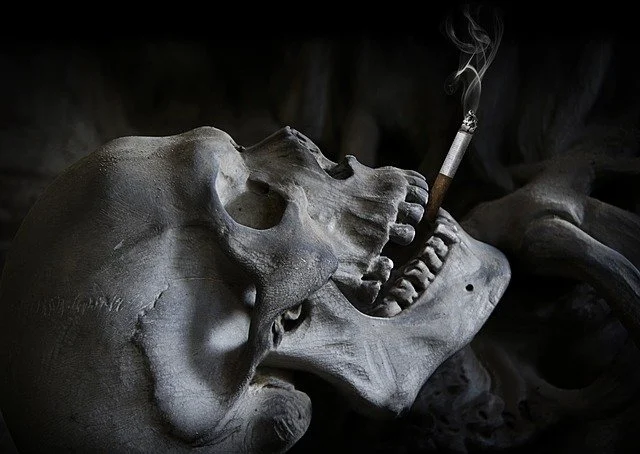
- Quit smoking: There is a strong relationship between cancer and smoking, especially lung cancer.
- Avoid direct exposure to sunlight, especially harmful ultraviolet rays, by sitting in the shade, wearing protective clothing, and using sunscreen.
- Proper nutrition: by choosing foods rich in fruits and vegetables, and choosing whole grains such as oats, brown rice, and cracked wheat.
- Exercise regularly: Exercising for 30 minutes a day helps reduce the chance of cancer.
- Maintain an ideal weight: Research has shown that there is a close relationship between obesity (overweight) and cancer, and the ideal weight can be reached with regular exercise and proper nutrition.
- Regular medical examination.
- Vaccinations: There are specific viruses that cause cancer, such as the hepatitis B virus, which causes liver cancer, and the virus that causes cervical cancer. Vaccination can protect you – God willing – from these viruses.
- Get enough sleep and rest.
- Avoid the pressures of life and practice your hobbies.
translated from: moh.gov.sa
Cancer disease second cause of death globally

Cervical cancer: causes, symptoms and treatment
The deadliest cancer and most dangerous type of cancer
About The Author
