Anemia: causes, symptoms and treatment
Anemia is a medical condition characterized by not having enough red blood cells to carry oxygen to tissues.
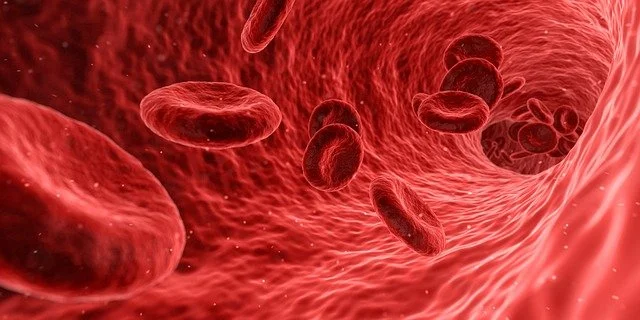
There are several types of anemia, each with its own cause, and it may be a temporary or an ongoing medical condition, depending on the severity of the condition.
Important information about anemia
Anemia is defined as a decrease in one or more of the measures related to red blood cells, which includes the following:
- Hemoglobin concentration: It is defined as the amount of basic oxygen-carrying hemoglobin in the blood.
- Hematocrit: The hematocrit or the percentage of the volume of red blood cells out of the total volume of blood.
- Red blood cell count: The number of red blood cells present in a given volume of blood.
types of blood cells
There are three different types of blood cells, and they include the following:
- Leucocytes: These cells help protect the body from infection.
- Thrombocytes: These cells help blood to clot after bleeding.
- Erythrocytes: These carry oxygen from the lungs to vital organs and other tissues.
Important information about hemoglobin
Important information about hemoglobin in the blood is as follows:
Red blood cells contain hemoglobin, an iron-rich protein that is red in color.
Hemoglobin helps carry oxygen from the lungs to the rest of the body and carbon dioxide from the body to the lungs, so that it can be exhaled from the body.
Most blood cells, including red blood cells, are continually produced in the bone marrow, a red, spongy substance found within the body’s large bony cavities.
In order to produce hemoglobin and red blood cells, the body needs iron and other minerals, vitamins and proteins that are available in the food that a person eats, in addition to some hormones, the most important of which is erythropoietin (EPO), which the kidneys secrete in order to produce red blood cells.
It should be noted that the average lifespan of a red blood cell ranges from 110 to 120 days.
When a person suffers from anemia, his body does not produce enough red blood cells, but many of them are lost or destroyed more quickly than they are able to produce new blood cells.
Differences in anemia test values for males and females
Anemia is defined by the values of blood tests, which differ between males and females as follows:
- Males: <13.5 g/dL hemoglobin concentration, <41% hematocrit.
- Females: Hemoglobin concentration values less than 12 g/dL, and hematocrit values less than 36%.
difference in hemoglobin values
There are some special groups whose normal hemoglobin values differ from the rest of humans for genetic or hereditary reasons or for reasons related to their lifestyle. Among these categories are the following:
Smokers
Smokers are known to have higher hematocrit values than non-smokers, which makes detection of anemia difficult;
Because it does not appear during laboratory tests.
Highlanders
People who live at a high altitude have higher hemoglobin values than those who live near sea level.
African Americans
People of African descent have hemoglobin values between 0.5 and 1.0 g/dL below internationally recognized values.
Athletes
Athletic people have normal hemoglobin values that are different from the generally accepted values.
Symptoms of anemia
The appearance of symptoms of anemia depends on the severity of the patient’s condition, the extent of the disease’s progression, and the patient’s need for oxygen.
Symptoms of anemia usually appear if the disease progression is very rapid, but if its progression is slow, it is possible that no symptoms appear; Because the body has become accustomed to the new position.
Symptoms vary depending on the cause, and may include the following:
- Tired.
- pale skin;
- Rapid and irregular heartbeat.
- shortness of breath.
- chest pain;
- dizziness;
- Changes in the cognitive state.
- Cold hands and feet.headache;
- Myocardial infarction.
Causes and risk factors for anemia
The causes and risk factors can be explained by the following:
1. Causes of anemia
The types of anemia can be divided according to their causes, as follows:
Iron deficiency anemia
Iron deficiency anemia is one of the most common types, affecting approximately 2% to 3% of the adult US population.
The reason for this type of anemia is that the bone marrow needs iron in order to produce hemoglobin, and in the absence of good amounts of it, this may cause a decrease in the production of red blood cells.
Vitamin Deficiency Anemia
The body needs many vitamins, such as: folic acid and vitamin B12 to produce an adequate amount of red blood cells.
An incomplete diet may reduce red blood cell production, and there are some people who suffer from the inability of their body to absorb vitamin B12 effectively.
Having a chronic disease
Anemia is caused by many chronic diseases, such as: cancer, acquired immunodeficiency syndrome (AIDS), gout, Crohn’s disease, some chronic inflammatory diseases, and kidney failure.
Aplastic anemia
Aplastic anemia is a rare, but life-threatening type of anemia that usually results from a reduced ability of the bone marrow to produce all types of blood cells.
The cause of aplastic is still unknown in most cases, but it is believed that it is related to diseases that affect the functioning of the immune system.
Anemia caused by a disease in the bone marrow
There are many diseases, such as: leukemia and myelodysplasia that can lead to anemia and affect the bone marrow, as it can cause a decrease or complete stop in the production of red blood cells.
Hemolysis anemia
This type occurs when red blood cells are destroyed faster than the bone marrow can produce new blood cells.
Having some diseases
There are some diseases that may cause significant damage to red blood cells, such as:
Immune system disorders that cause the production of antibodies (antibodies) to red blood cells and cause their premature destruction.
Sickle cell anemia
Sickle-cell anemia is inherited and in most cases affects people of African descent.
and it usually occurs as a result of an imbalance in hemoglobin that causes red blood cells to form in sickle shape, and thus these cells die prematurely.
Anemia risk factors
Risk factors include:
Malnutrition
Most of the time, the diet of many does not contain sufficient amounts of iron and other vitamins such as folic acid, which increases the risk.
Intestinal diseases and disorders
Some bowel disorders, such as Crohn’s disease and celiac disease. may affect the absorption of food and vitamins that it contains, which may cause a deficiency in them and thus lead to anemia.
Menstrual cycle
Women in the fertile period are more likely to suffer from iron deficiency anemia compared to men, because women lose large amounts of blood during menstruation.
pregnancy
Pregnant women are at high risk of iron deficiency anemia, due to the fetus’s need for iron and hemoglobin for its growth and development.
DNA
Sometimes anemias is transmitted genetically, if a family member suffers from one of the types of anemia that is transmitted through heredity, such as sickle cell anemia.
Translated from: Webteb

High blood pressure during pregnancy Preeclampsia

Introduction to coronavirus essay
Hypertension: causes, symptoms and treatment
About The Author
