Hypertension: causes, symptoms and treatment
We will talk About Hypertension: causes, symptoms and treatment>>
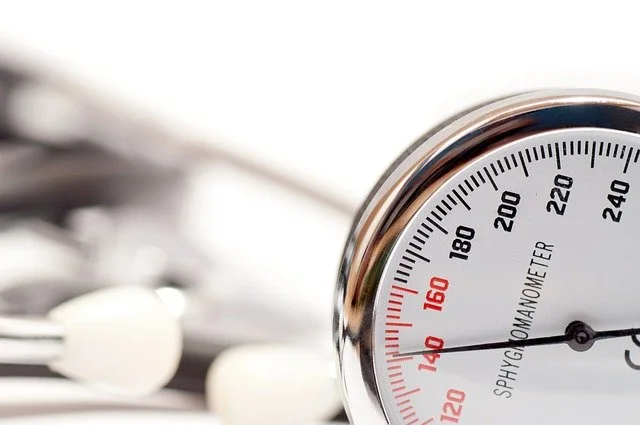
Symptoms of hypertension or high blood pressure
Most people who suffer from it do not show symptoms of high blood pressure, as is the case in cases where high blood pressure levels are dangerous.
In some patients, the following symptoms appear in the early stages of the disease:
- Mild headaches.
- Dizziness.
- Excessive nosebleeds.
But these signs and symptoms usually appear when the disease has reached a more advanced stage to the point of being life-threatening.
Causes and risk factors for hypertension
The causes and risk factors for high blood pressure can be explained by the following:
1. Causes of high blood pressure
Several diseases and medications are among the most important causes of secondary hypertension, including:
- Kidney disease.
- Tumors in the adrenal gland.
- Certain congenital heart defects.
- Certain medicines, such as: birth control pills, anti-cold medicines, and medicines to relieve congestion.
- Over-the-counter pain relievers and a number of prescription medications.
- Narcotics such as cocaine and amphetamine.
2. Uncontrollable risk factors
There are many factors that increase the risk of developing high blood pressure, some of which cannot be controlled, including:
1. Age
The risk of developing the disease increases with age. In early middle age, the disease is more common among men, and women tend to develop the disease in the postmenopausal period.
2. Family history
High blood pressure tends to be passed down genetically.
3. Uncontrollable risk factors
Other risk factors for hypertension that can be controlled are:
1. Overweight or obese
The heavier a person is, the more blood he needs to be able to deliver oxygen and nutrients to the various tissues of the body, and the greater the amount of blood flowing in the blood vessels, the greater the pressure on the arterial walls.
2. Lack of physical activity
The pace of the heart’s work in people who do not engage in physical activity is higher than in those who exercise, and the faster the heart works, the heart needs to exert more effort at each contraction, which increases pressure on the arteries, in addition, the lack of physical activity increases the risk of obesity.
3. Smoking
Smoking tobacco leads to an immediate and temporary increase in blood pressure. In addition, the chemicals in tobacco may damage the walls of the arteries, and as a result, the arteries may become narrower, which leads to high blood pressure.
4. High-salt feed
Having too much table salt in the diet may lead to fluid retention in the body, which causes high blood pressure.
5. Low potassium nutrition
Potassium helps balance the sodium level in cells When not enough potassium is consumed or stored, it can cause too much sodium to build up in the blood.
6. Low Vitamin D Nutrition
It’s unclear whether or not a diet lacking in vitamin D can cause high blood pressure. Researchers believe that vitamin D can affect an enzyme produced by the kidneys that affects blood pressure.
7. Drinking alcohol
Drinking alcohol may cause the release of hormones that lead to high blood pressure and an increase in heart rate.
8. Tension
High levels of stress lead to a temporary rise in blood pressure, but attempts to relax by eating a lot, smoking tobacco or drinking alcohol can complicate blood pressure problems.
9. Chronic diseases
Certain chronic diseases, including high cholesterol, diabetes, insomnia, and kidney disease, may increase the risk of developing high blood pressure.
10. Pregnancy
Sometimes pregnancy is a factor in high blood pressure.
Complications of hypertension
Excess blood pressure on the walls of the arteries may cause damage to blood vessels and other organs in the body, the higher the blood pressure, the greater the damage.
Untreated high blood pressure may lead to:
- Damage to blood vessels.
- Local dilation of the walls of blood vessels.
- Heart stop.
- Blockage or rupture of a blood vessel in the brain.
- Weakness and narrowing of the blood vessels in the kidneys.
- Thickening, narrowing, or rupture of the blood vessels in the eyes.
- Problems with memory or understanding.
Diagnosis of hypertension
Blood pressure is determined by the amount of blood pumped by the heart and by the level of resistance to blood flow in the arteries. The more blood the heart pumps and the narrower the arteries, the higher the blood pressure.
Blood pressure measurement to detect hypertension
To detect and treat high pressure, blood pressure is measured using a special device consisting of an inflatable bracelet that is wrapped around the arm to limit blood flow. The results of the measurement are in units of millimeters of mercury, and these results include two numbers:
The first or higher number measures the pressure in the arteries when the heart muscle contracts, called the systolic pressure.
The second or lower number measures the pressure in the arteries between beats, called the diastolic pressure.
blood pressure measurements
Measurement values are divided into four general groups:
Normal blood pressure is considered normal when it is less than 120/80 mmHg, but some doctors say that a blood pressure of 115/75 is best.
Pre-hypertension level: when the systolic pressure is between 120-139 mmHg, or when the diastolic pressure is between 80-89.
Stage 1 high blood pressure: when the systolic pressure is between 140-159 mmHg, or when the diastolic pressure is between 90-99.
Stage two hypertension: When the systolic pressure is 160 mm Hg or more, or when the diastolic pressure is 100 mm Hg or more.
The highest and lowest blood pressure values are important, but after age 50, systolic blood pressure becomes more important.
Systolic hypertension is a condition in which the diastolic pressure is normal while the systolic pressure is high. This condition is the most common type of high blood pressure in people over the age of 50.
High blood pressure or hypertension treatment
Changes in lifestyle can greatly help in balancing blood pressure, but lifestyle changes alone are sometimes not enough. In addition to physical activity and changes in eating habits, the doctor may also prescribe some medications to lower blood pressure.
Medicines to treat blood pressure
The treatment for high blood pressure that a doctor recommends depends on the patient’s blood pressure level and other medical problems he or she may have. Recommended medications include:
- Diuretics of the thiazide group.
- Beta-blockers.
- Angiotensin converting enzyme inhibitors.
- Angiotensin II receptor blockers.
- Calcium channel blockers.
- Renin inhibitors.
In cases where high blood pressure cannot be controlled and treated with the help of the above-mentioned medications, the doctor may recommend taking the following medications:
- Alpha blockers.
- Alpha-beta blocker.
- Vasodilators.
After successfully achieving the desired blood pressure level, the doctor may recommend taking a daily aspirin to reduce the risk of cardiovascular disease.
In order to reduce the daily dose, the doctor may combine several types of medicine at a low dose instead of one type at a very high dose, taking two or more medicines at the same time is often more beneficial than taking one type of medicine where the ability to choose the medicine The most effective or most beneficial combination of drugs is the result of trial and error.
Prevention of hypertension
Prevention methods include the following:
- Eat healthy.
- Maintain a healthy weight.
- Do regular exercise.
- Not drinking alcohol.
- Non-smoking.
- Alternative therapies
- There are several food additives i.e. complementary foods that may help lower high blood pressure, including:
- Alpha-linolenic acid.
- psyllium (Blond psyllium).
- Calcium.
- cocoa;
- Cod liver oil.
- Omega 3 fatty acids.
- the Garlic.
The best way to incorporate these substances into your diet is by eating foods rich in these substances, but they can also be consumed by taking them in tablets or capsules.
It is recommended to consult a doctor before taking such supplements while receiving blood pressure treatment, as there are foods that affect the effectiveness of medications and lead to harmful side effects.
It is also possible to practice relaxation techniques, such as: yoga, or deep breathing to achieve psychological calm and reduce the level of stress. These relaxation techniques may temporarily lower high blood pressure.
Translated from: Webteb
High blood pressure during pregnancy Preeclampsia
Anemia: causes, symptoms and treatment

Introduction to coronavirus essay
About The Author
